
Transitional Housing
Transitional housing that feels
like community.
We provide stable, family-style transitional housing for people in crisis who are ready for their next step toward independent living. This isn't a traditional housing program — residents commit to personal growth, accountability, and clear goals developed alongside our leadership.
Open to anyone ready to commit to a structured recovery program. Please review our program expectations and the Rules of the House before you apply.
House RulesWomen's Home
7 beds
Shepherd's House
Men's Home
4 beds
Independence House
Who It's For
Anyone in crisis who is ready to commit to change
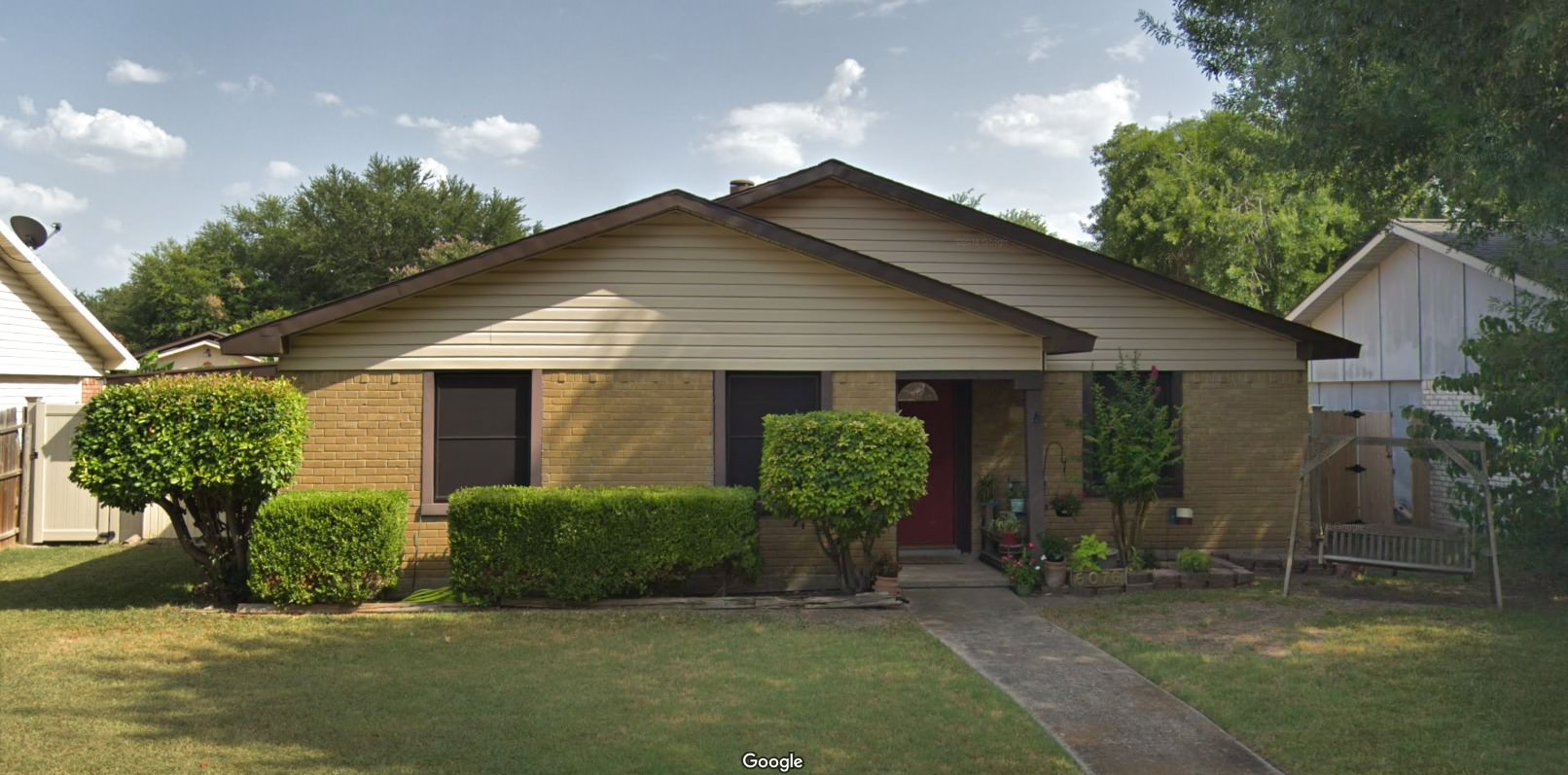
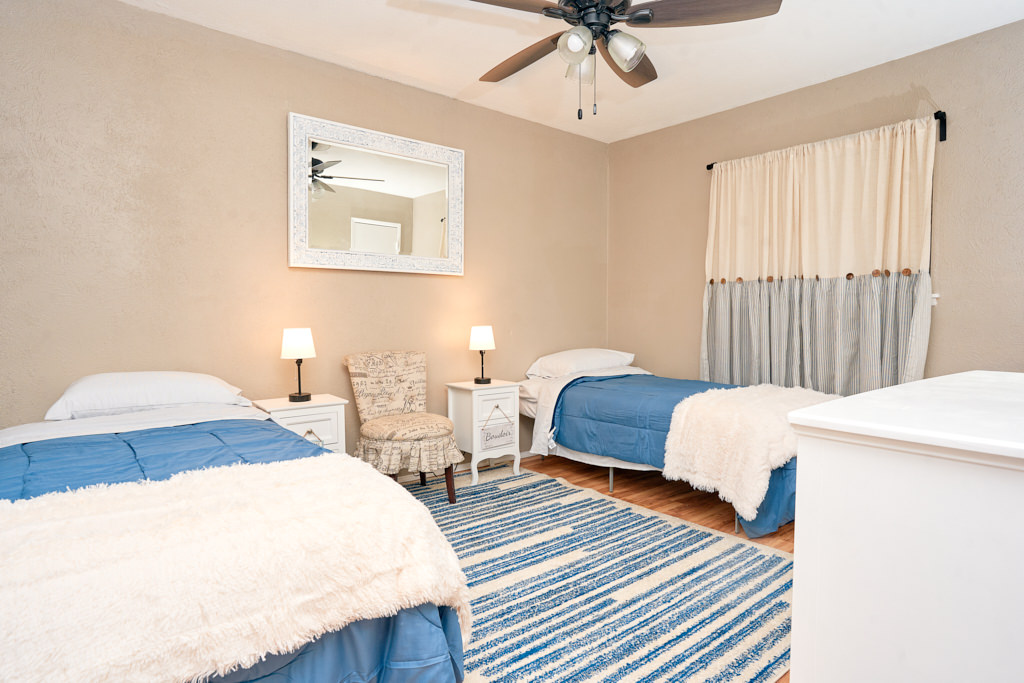
SHEPHERD'S HOUSE
EST. 2022
7 BEDS
WOMEN
A safe next step for women ready to break the cycle.
Shepherd's House is a women's recovery home that provides structured, programmed housing for women ready to pursue lasting life change. This is not a traditional housing program; residents commit to personal growth, accountability, and recovery, with clear goals and timelines developed alongside leadership.
Many women arrive from difficult circumstances, and here they are met with dignity, compassion, and a community that supports real transformation. Continued housing is tied to participation and progress, creating an environment that is both supportive and purposeful.
Shepherd's House is safe, sober, stable, and self-sustaining — designed to give women the space and structure they need to rebuild their lives and move confidently into what's next.
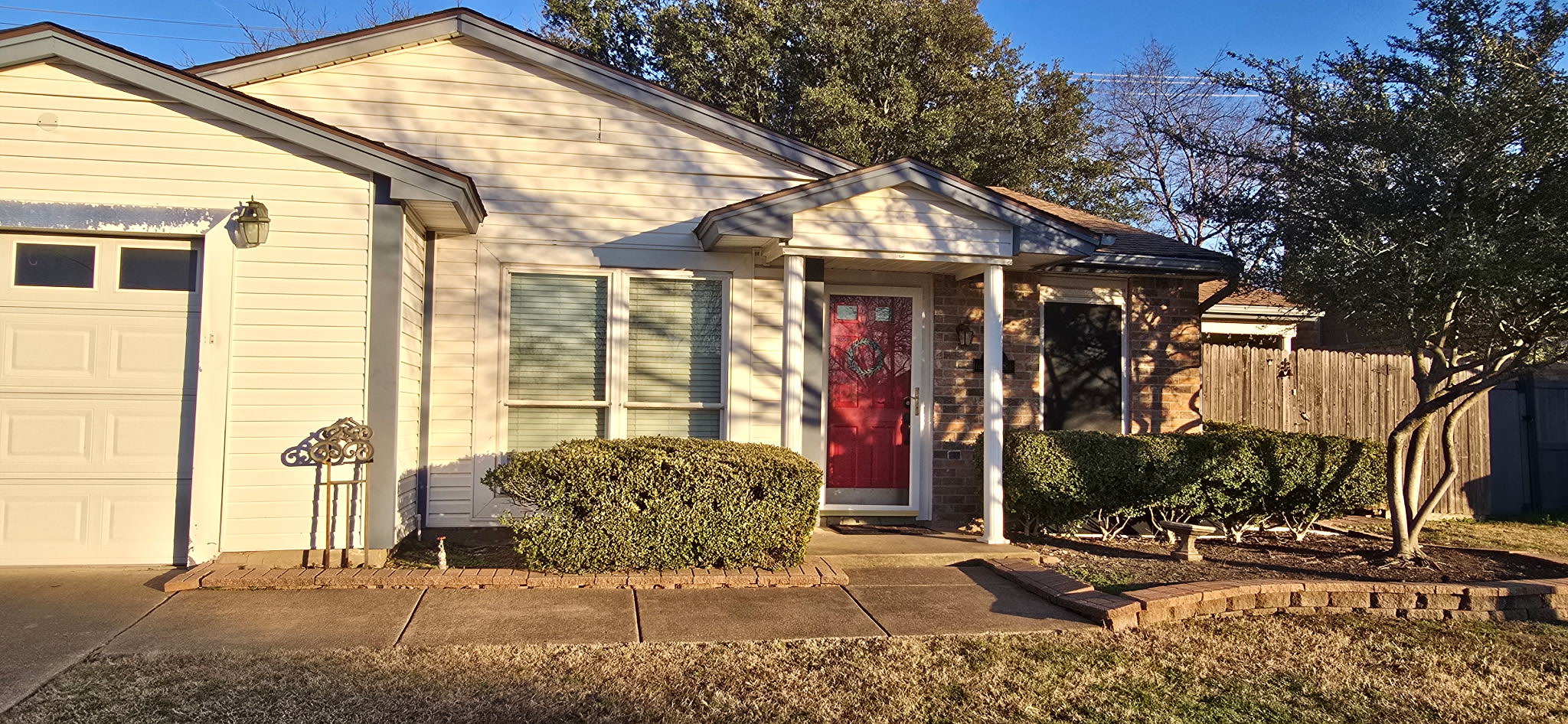

INDEPENDENCE HOUSE
EST. 2026
4 BEDS
MEN
Structure, accountability, and growth — hand in hand.
Independence House is a transitional home for men built on a programmed housing model where structure, accountability, and growth go hand in hand. Residents are expected to actively participate in their progress and work toward personal goals, with continued housing tied to that progress.
Through compassionate support and clear expectations, men are given the opportunity to rebuild their lives with dignity, purpose, and lasting independence.
Housing philosophy
Compassionate accountability.
Our homes run on structure and clear expectations paired with genuine care.
Residents rebuild identity, relationships, and confidence in a peaceful environment — and continued housing is tied to real participation and progress. That balance — warmth and rigor — is what makes the next step actually possible.
Why this work matters
What our homes are really solving.
The hard question isn't whether we support transitional housing. It's what happens if these problems aren't solved.
Housing
People can't rebuild in survival mode.
Lasting change is difficult when someone is worried about where they will sleep, how they will stay sober, or whether they have anyone in their corner. Many individuals rebuilding after addiction, trauma, homelessness, incarceration, or major life disruption lack the stable environment and healthy support systems needed to move forward. Without stability, the cycle often continues.
Relationships
Isolation makes recovery harder.
Many of the people we serve are not only recovering from a crisis — they are recovering from broken trust, damaged relationships, and years of isolation. A lack of healthy community often becomes one of the greatest barriers to long-term stability.
Identity
People are more than their hardest chapter.
Too often, individuals are defined by their addiction, mistakes, circumstances, or past failures. When people lose their sense of purpose and identity, it becomes difficult to believe a different future is possible.
Before You Apply: Is Next Steps the Right Fit?
Next Steps is not an emergency shelter or a traditional halfway house. Housing is a benefit of participating in our recovery and life improvement program, not a standalone service. If you need immediate emergency shelter tonight, please call 2-1-1 or visit 211texas.org for resources in your area.
Our program has real costs and real commitments. Please read these carefully before submitting the form below:
If these expectations line up with where you are and where you want to go, we would love to hear from you.
Inquiry Form
Ready to make a change?
Start your journey below. A case manager will follow up personally to talk through your situation, the Rules of the House, and next steps.